Badge Systems and Streak Trackers: Building Trust in Collective Sports Forecasting Platforms
Viktor Zimmermann · Jul 2, 2026
Badge Systems and Streak Trackers: Building Trust in Collective Sports Forecasting Platforms
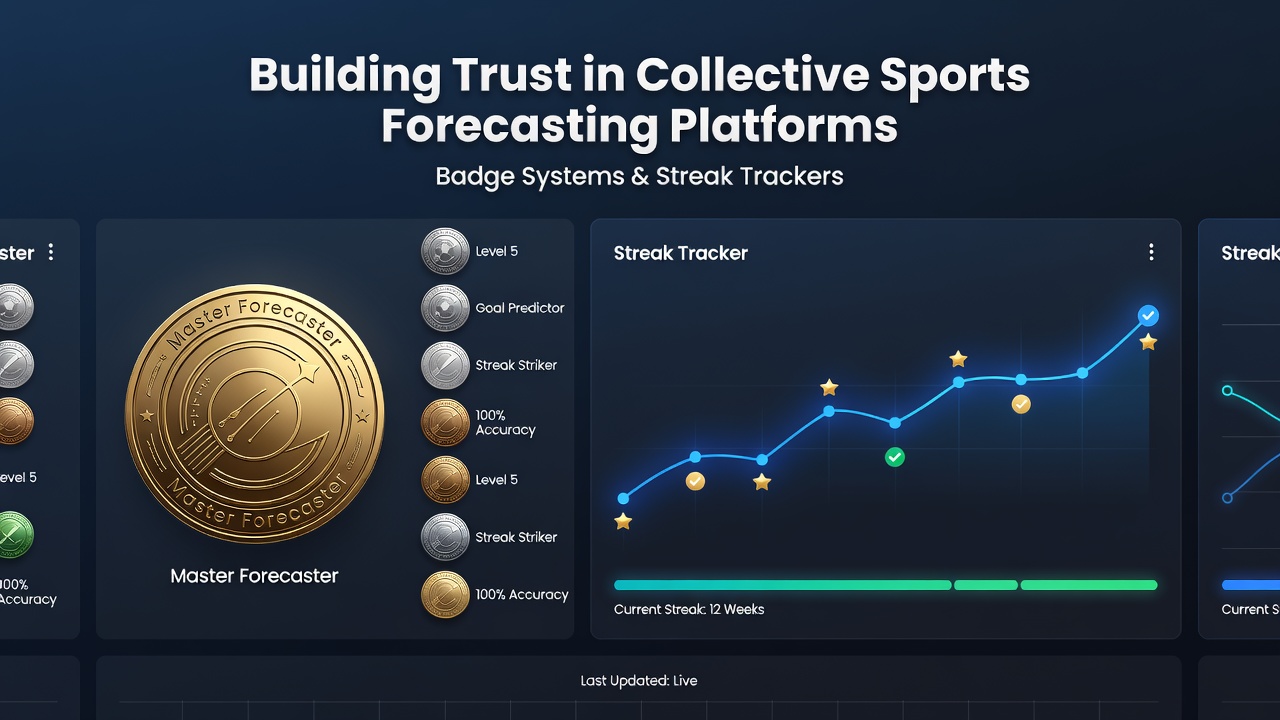
Badge systems and streak trackers operate as core mechanisms within collective sports forecasting platforms, where users submit predictions on match outcomes, player performances, and tournament results; these tools assign visual markers for consistent accuracy while recording consecutive correct forecasts over defined periods. Platforms deploy such features to organize participant contributions, and data from industry reports shows increased user retention rates when these elements appear alongside prediction histories.
How Badge Systems Assign Recognition
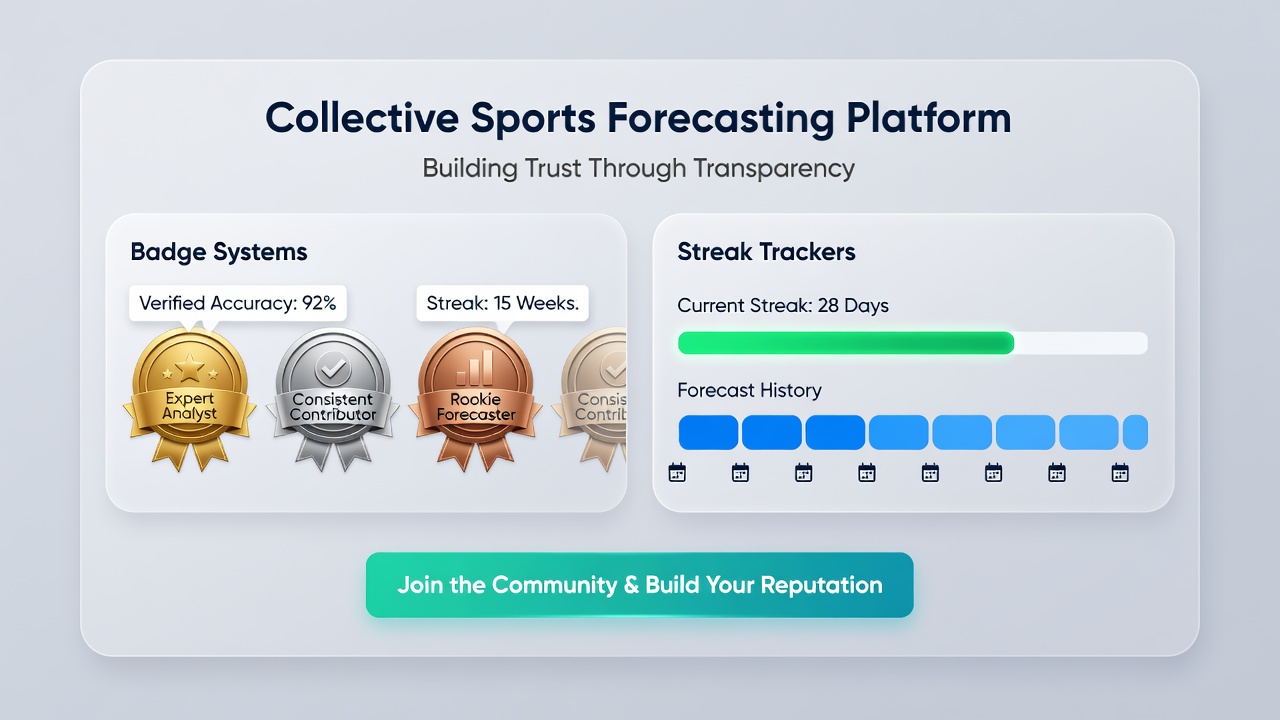
Developers design badge systems around tiered achievements that reflect verified prediction accuracy across multiple events, with algorithms calculating success rates based on historical submissions rather than subjective evaluations. Participants earn bronze, silver, or gold designations after reaching specific thresholds, such as 60 percent accuracy over 50 forecasts, and these markers update automatically through platform databases. Observers note that such structures help new users identify established forecasters quickly during community discussions or shared leaderboards.
Research from academic sources indicates badge visibility correlates with higher engagement levels, as one study published through the University of Melbourne found participants who displayed earned badges contributed forecasts 35 percent more frequently than those without visible markers. Platforms integrate these badges into profile views and comment sections, allowing others to reference them when evaluating advice on upcoming fixtures like Premier League matches or international cricket series.
Streak Trackers and Their Role in Performance Monitoring
Streak trackers log sequences of accurate predictions without interruption, displaying current runs alongside historical peaks for individual users within the platform ecosystem. These counters reset upon an incorrect forecast yet preserve records of prior achievements, which encourages sustained participation through visible progress indicators. Data compiled by the Canadian Institute for Predictive Analytics reveals platforms employing streak features report average session durations extending by 22 minutes compared to those without such tracking.
Users interact with these trackers during live events, where real-time updates highlight ongoing streaks tied to specific sports categories, such as football goal predictions or tennis set outcomes. Collective platforms often combine streak data with team-based challenges, enabling groups to pursue shared milestones that build coordinated forecasting efforts around major tournaments scheduled through July 2026.
Integration With Platform Trust Mechanisms
Trust emerges when badge systems and streak trackers operate alongside transparent verification processes that confirm each prediction against official results from governing bodies like FIFA or the International Tennis Federation. Platforms cross-reference submissions with authenticated data feeds, which reduces discrepancies and allows users to assess reliability based on documented performance rather than unverified claims. Experts have observed that this combination creates layered credibility signals within large user communities.
Additional features include filters that sort forecasters by badge level or streak length, streamlining access to high-performing contributors during peak activity periods. Reports from the Australian Sports Betting Integrity Unit highlight how similar verification tools in prediction environments have supported regulatory compliance across multiple jurisdictions since early implementations in 2023.
Technical Implementation Across Platforms
Engineers build these systems using database architectures that store prediction logs in chronological sequences, applying mathematical models to compute accuracy percentages and streak durations with minimal latency. Updates occur through automated scripts triggered after each event conclusion, while user interfaces present the information via responsive design elements compatible with mobile and desktop access. Those who've studied platform architecture know that scalability becomes essential as participant numbers grow during high-profile seasons.
Case examples demonstrate integration with external APIs for live score validation, ensuring streak calculations reflect verified outcomes rather than manual entries. One documented implementation at a European forecasting network processed over 1.2 million predictions monthly while maintaining badge accuracy standards through redundant data checks.
Conclusion
Badge systems and streak trackers function as structural components that organize user contributions and display performance metrics within collective sports forecasting platforms. Evidence from research institutions and regulatory bodies shows these features support organized participation patterns, and their continued development aligns with expanding user bases through 2026. Platforms maintain these tools through ongoing technical refinements that adapt to evolving sports calendars and data requirements.