Black Market Bets Surge to £100 Million at Aintree's Grand National Festival
Anna Keller · Apr 18, 2026

Black Market Bets Surge to £100 Million at Aintree's Grand National Festival
Throngs of racing fans descended on Aintree Racecourse last weekend for the Grand National Festival, that iconic UK event where the world's most famous steeplechase takes center stage; yet beneath the excitement, criminal bookies quietly capitalized, drawing in stakes worth up to £100 million from punters lured away from licensed operators.
The festival, spanning three days in mid-April 2026, culminates in the Grand National itself, a 4.25-mile test over 30 fences that attracts global attention and massive wagering; data from the Betting and Gaming Council (BGC) reveals how unlicensed operators siphoned off as much as £40 million just on the main race, targeting millions of bettors who faced zero consumer protections in the process.
The Allure of Aintree and the Shadow of Illegal Betting
Aintree buzzes with energy during festival week, as punters from across the UK and beyond flock to Liverpool for Ladies' Day glamour, family enclosures, and that electric Saturday showdown; horses like I Am Maximus, the 2025 victor, set the stage for 2026 hopes, but while licensed bookmakers handled legitimate action, black market outfits thrived in the gaps.
These illicit operators, often running via apps, Telegram channels, or shady websites, promise better odds or quicker payouts, enticing those frustrated by mainstream restrictions; turns out, the Grand National's sheer scale—drawing over 150,000 attendees and millions more online—creates the perfect storm, with BGC figures underscoring how criminal networks exploit the frenzy to pocket vast sums unchecked.
One observer notes the pattern: punters chasing enhanced returns amid the festival's hype often overlook the risks, handing cash to bookies who vanish post-race; and since these operations dodge taxes and regulations, they undercut legitimate firms, pulling in bets that fuel organized crime instead of supporting a protected industry.
Scale of the Underground Surge
Across the entire Aintree event, unlicensed staking hit that staggering £100 million ceiling according to BGC estimates, a figure that breaks down with £40 million tied directly to the Grand National's outcome; experts tracking such trends point out how this mirrors broader patterns, where major races like Cheltenham or Royal Ascot see similar black market spikes.
But here's the thing: those millions of punters involved—many habitual bettors seeking value—wager without safeguards, meaning no dispute resolution if odds shift or winnings delay; data indicates criminal bookies ramped up marketing during the festival, bombarding social media with targeted ads that evaded licensed platforms' oversight.
Take the main race itself: as jockeys navigated Becher's Brook and The Chair, underground layers absorbed floods of cash on favorites and longshots alike, their ledgers swelling while regulators watched from afar; and although exact breakdowns remain elusive due to the illicit nature, BGC's analysis paints a clear picture of opportunity seized amid peak demand.
Regulatory Pressures Fueling the Shift
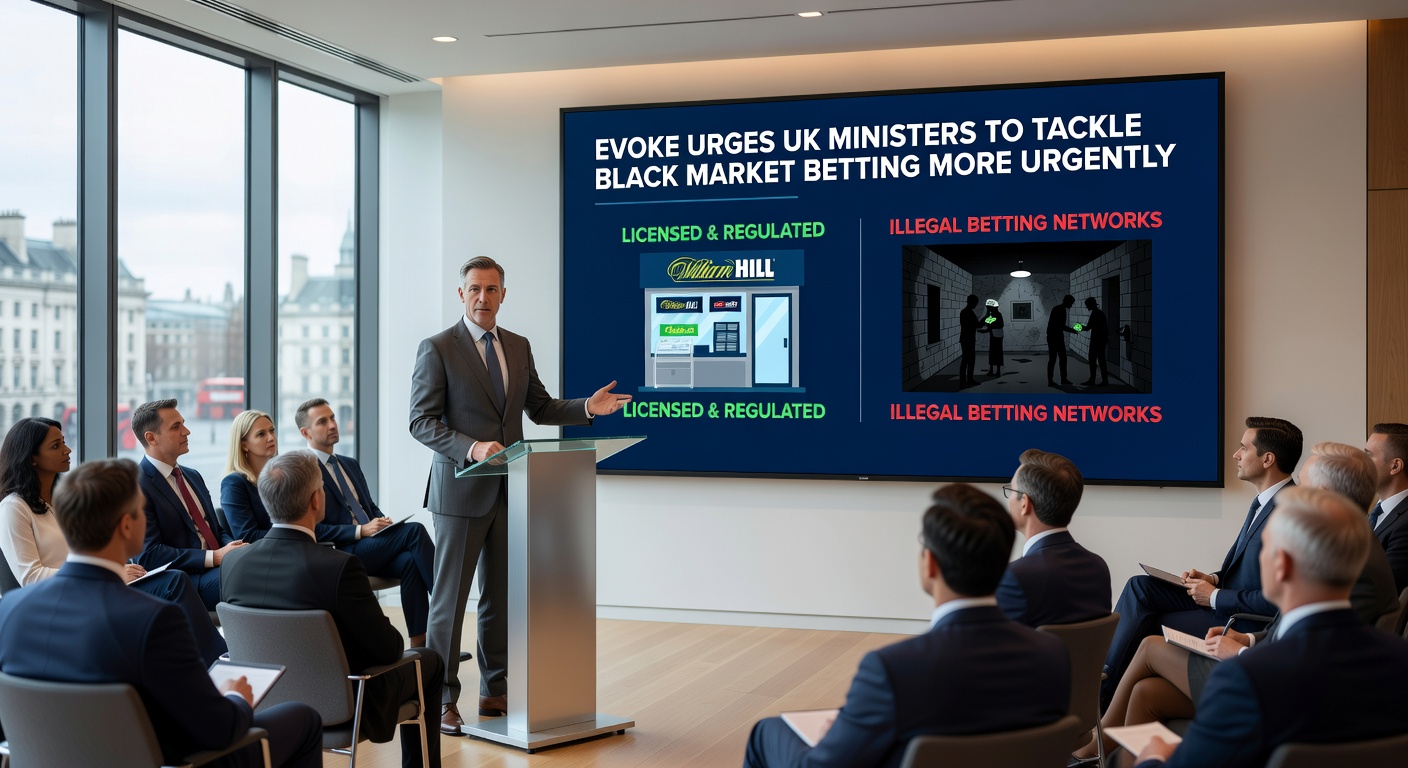
Criminal bookies didn't emerge in a vacuum; licensed operators grapple with mounting costs from affordability checks, higher taxes, and compliance burdens that squeeze margins, pushing some punters toward unregulated alternatives; BGC highlights how these pressures—stricter ID verification and stake limits for at-risk players—create friction, even as they protect vulnerable bettors in the long run.
So while firms like Bet365 or William Hill enforce responsible gambling protocols, black market rivals offer unrestricted access, no questions asked; this dynamic intensified around Aintree 2026, as festival-goers juggled rising entry fees and travel amid economic squeezes, making quick, high-odds bets all the more appealing despite the dangers.
People who've studied the sector observe a vicious cycle: as regulations tighten to curb problem gambling—think session-time alerts or deposit caps—savvy punters sidestep them via offshore or peer-to-peer setups; and with the Grand National's cultural pull, that drift accelerates, turning a national tradition into a hotspot for illicit action.
Risks Punters Face in the Shadows
No consumer protections mean disaster waiting to unfold for those staking with criminals: unpaid winnings top the list, with stories circulating of bettors stiffed on six-figure payouts after backing winners like the 2024 upset horse; add rigged odds, data theft from dodgy apps, and ties to money laundering, and the perils stack up fast.
Yet the festival's adrenaline—champagne flowing, hats towering, crowds roaring—blinds many to these threats; BGC warns that millions exposed lack recourse, unlike regulated bets covered by the UK's Gambling Commission umbrella; and as April 2026's event unfolded, reports trickled in of frustrated punters chasing ghost bookies who melted away post-race.
What's interesting here surfaces in the numbers: while licensed wagering generates tax revenue for good causes like racing prize funds, black market flows straight to crime syndicates; observers note how this undercuts the sport itself, starving tracks and trainers of rightful shares while enriching the unscrupulous.
BGC's Call to Action
The Betting and Gaming Council stepped up prominently, flagging the £100 million hemorrhage and pressing for urgent steps to steer punters back to safety; their statement urges collaboration between government, tech platforms, and enforcers to disrupt illegal channels, perhaps via better ad blocking or payment tracing.
And although BGC represents licensed operators, their push focuses on bettor welfare first, emphasizing how regulated betting offers fair odds, quick payouts, and help lines for those needing them; in the wake of Aintree, calls grow for enhanced education campaigns, warning festival crowds about black market lures before the next big meet.
Experts who've tracked similar surges—like during 2026 Cheltenham—echo this, suggesting tech solutions such as AI flagging of suspect sites could stem the tide; that said, the reality remains that as long as pressures mount on legal bookies, the underground will adapt, exploiting every fence-jumping thrill.
Broader Implications for UK Betting Landscape
Aintree 2026 underscores a tension ripping through the industry: balancing player safety with market vitality, as unlicensed operators erode trust and revenue; figures reveal how such events amplify the issue, with festival punters—often casual thrill-seekers—most vulnerable to slick pitches from abroad.
Now, with summer festivals like Epsom Derby looming, regulators eye tighter digital borders; people in the know point to precedents where crackdowns—like freezing illicit accounts—reined in threats, yet enforcement lags behind tech-savvy criminals; and as April's dust settles at Aintree, the stakes feel higher than ever for keeping bets above board.
One case from past Nationals illustrates the fallout: a punter landing a 500-1 accumulator only to see funds rerouted by fraudsters, a tale repeated in whispers across Liverpool pubs; such anecdotes, backed by BGC data, highlight why steering millions toward licensed paths matters—not just for wallets, but for the sport's integrity.
Looking Ahead: Safeguarding the Punters
The Grand National's black market bonanza serves as a stark reminder of unregulated betting's toll, with £100 million at risk underscoring the need for swift measures; BGC's advocacy gains traction, as stakeholders weigh education drives against enforcement boosts to protect the festival's spirit.
Ultimately, while Aintree's fences test equine grit, navigating wagering pitfalls demands equal vigilance; and as 2026 racing calendars fill, keeping punters in the regulated fold emerges as the real winner's enclosure.