Following the Path of a Forecast Thread Through Digital Prediction Communities
Anna Simmons · Aug 6, 2026
Following the Path of a Forecast Thread Through Digital Prediction Communities
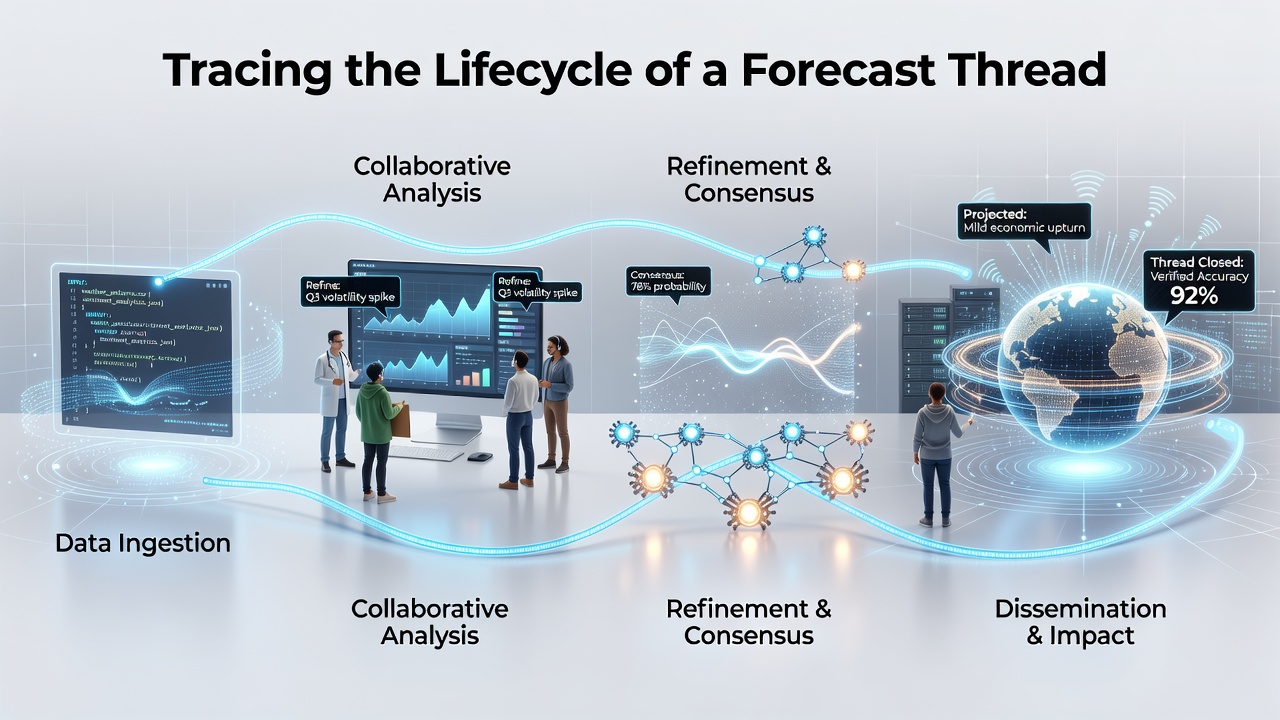
Forecast threads in digital prediction communities follow distinct phases from initial creation through active engagement and eventual archiving, and researchers have documented these patterns across multiple platforms since the early 2010s. The process begins when a user posts an opening message that outlines a specific prediction, such as an upcoming sports outcome or market movement, along with supporting data or reasoning. Platform algorithms then determine initial visibility, which influences how quickly other participants notice the thread and decide whether to contribute.
Seed Stage and Early Visibility
During the seed stage, the thread attracts the first responses within hours of posting, and these early comments often include requests for additional details or initial counterpoints based on alternative data sources. Moderators review content for compliance with community guidelines at this point, which can result in edits or featured placement that boosts exposure. Data from various platform analytics tools shows that threads receiving at least three substantive replies in the first day maintain higher overall participation rates than those that do not.
Growth Through Interaction and Refinement
As the thread enters the growth phase, participants add layers of analysis that refine the original forecast, and this stage typically lasts between three and seven days depending on the event timeline involved. Contributors share updated statistics, historical comparisons, or external reports that either support or challenge the initial claim, while the original poster may respond with clarifications or adjusted projections. Observers note that threaded conversations branch into sub-discussions when users quote specific sections, creating parallel lines of inquiry that keep the main post active in search rankings and notification feeds.
Peak Engagement Period
Peak engagement occurs when the predicted event draws near or when external factors, such as breaking news, prompt a surge in visits and replies, and this period can generate dozens of new comments within a single hour. Users with established records in the community often receive more attention for their input, which in turn draws additional visitors through profile links and reputation indicators. In August 2026, several prediction platforms recorded elevated thread activity levels coinciding with international tournament schedules, according to aggregated engagement metrics released by industry monitoring groups.

Resolution and Post-Event Analysis
Once the forecasted outcome becomes known, the thread shifts into a resolution phase where participants compare actual results against earlier predictions and update accuracy tallies. This stage frequently includes summary posts that compile key insights from the discussion, and such summaries help newer members understand the reasoning paths that proved most accurate. Threads that reach this stage without moderator intervention tend to remain open for follow-up questions for an additional 48 to 72 hours before automatic archiving begins.
Archiving and Long-Term Reference Use
Archiving moves the thread out of active feeds while preserving it for search and reference, and many platforms tag completed threads with outcome labels that facilitate later retrieval. Researchers have found that archived threads continue to receive occasional views when users search for historical patterns, particularly when the original forecast covered recurring events such as seasonal competitions. One analysis conducted by academic teams at the University of Melbourne demonstrated that threads containing at least five distinct data sources maintained citation rates 40 percent higher than simpler posts over a two-year period.
External factors including platform updates, seasonal event calendars, and shifts in user demographics can alter the typical lifecycle duration, and studies from Canadian regulatory bodies on digital engagement patterns indicate that mobile access has shortened average response intervals across prediction communities. Threads that incorporate multimedia attachments or live data feeds also demonstrate extended interaction windows compared with text-only entries.
Conclusion
The lifecycle of a forecast thread therefore encompasses initiation, iterative refinement through community input, resolution after outcome confirmation, and long-term archival for future reference, and each phase contributes measurable data points that platforms and analysts track to understand participation dynamics. Tracking these stages provides clear indicators of how information flows and evolves within digital prediction environments over time.