Mapping Pathways From Casual Chat Threads to Structured Wagering Strategies in Niche Online Groups
Anna Simmons · Jul 18, 2026
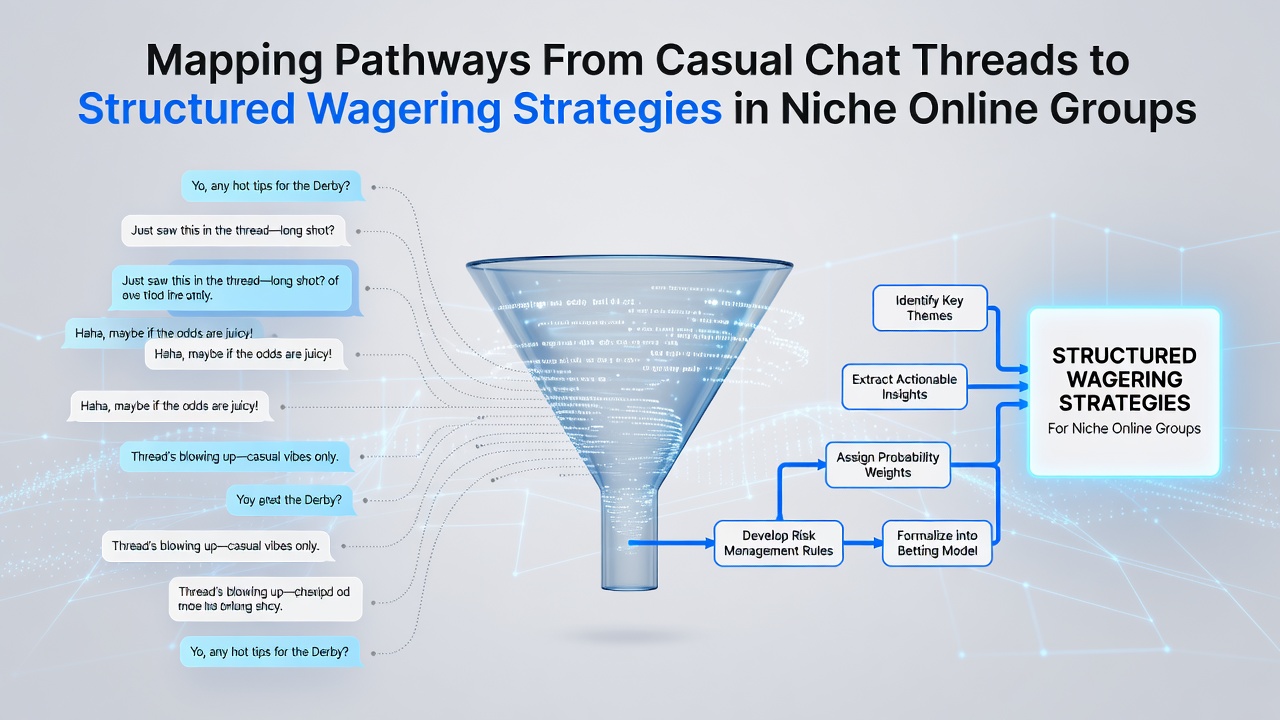
Tracing Routes from Informal Chat Exchanges to Organized Betting Methodologies in Specialized Online Forums
People in niche online groups often start with scattered messages about upcoming events or personal hunches, yet these exchanges gradually develop into detailed frameworks that participants apply to wagering decisions. Data from industry observers shows this progression occurs across multiple platforms where members share observations on odds movements, historical performance metrics, and market anomalies. Researchers at various academic institutions have documented how repeated interactions lead participants to compile records of successful patterns, which later form the basis for systematic approaches. One study conducted by analysts at the Responsible Gambling Council in Canada highlighted that such communities frequently maintain logs of past discussions, allowing later members to reference earlier threads when refining their methods.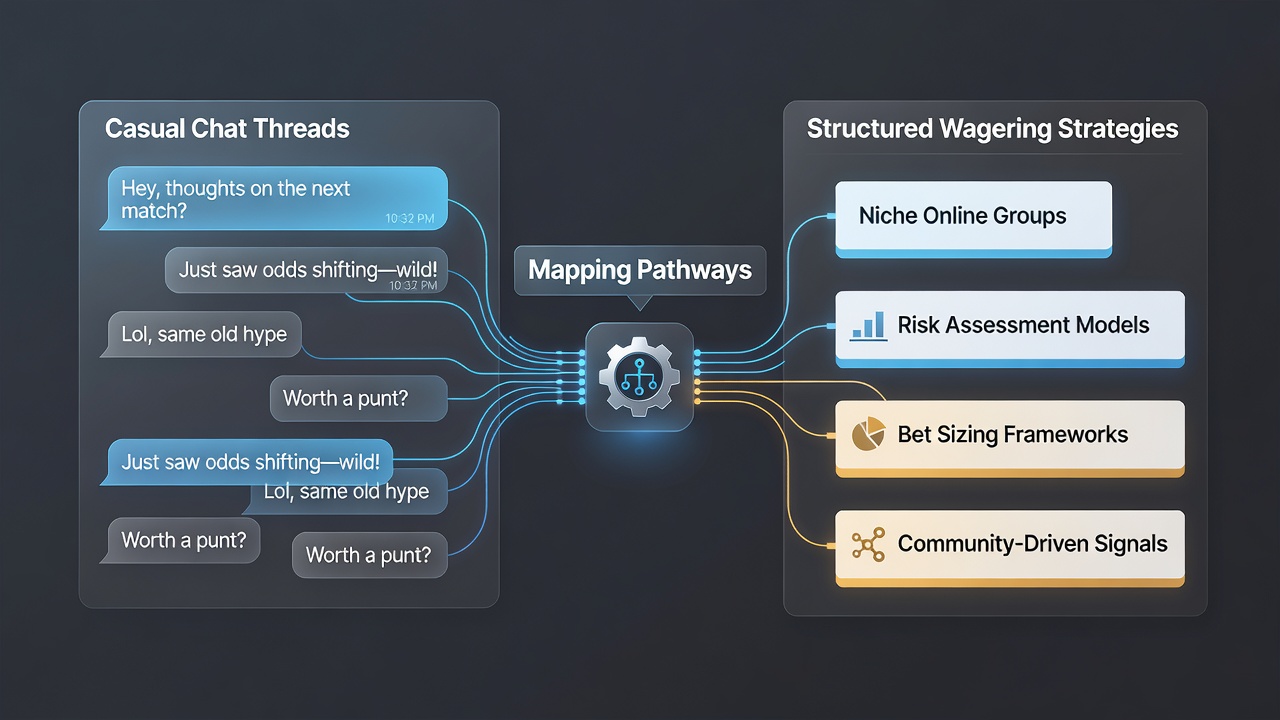
People in niche online groups often start with scattered messages about upcoming events or personal hunches, yet these exchanges gradually develop into detailed frameworks that participants apply to wagering decisions. Data from industry observers shows this progression occurs across multiple platforms where members share observations on odds movements, historical performance metrics, and market anomalies. Researchers at various academic institutions have documented how repeated interactions lead participants to compile records of successful patterns, which later form the basis for systematic approaches. One study conducted by analysts at the Responsible Gambling Council in Canada highlighted that such communities frequently maintain logs of past discussions, allowing later members to reference earlier threads when refining their methods.Early Stages of Conversation in Digital Spaces
Casual remarks about a particular match or race typically appear first in these groups, with users posting quick updates or questions about team news and weather conditions. These initial posts rarely include complex calculations, yet they attract responses that introduce basic comparisons between different outcomes. Over time, contributors begin to include screenshots of betting interfaces or simple spreadsheets tracking results from previous similar events. Observers note that this shift happens when a few active members start asking others to provide supporting details, which encourages the group to move beyond single-line comments toward longer exchanges that reference multiple data points.Emergence of Shared Records and Pattern Recognition
Members who participate consistently often begin to categorize their contributions by topic, creating informal archives that others can consult during future discussions. This practice turns random observations into searchable collections where patterns become visible after several cycles of events. Figures from the American Gaming Association reveal that participants in such settings frequently report improved consistency once they adopt these organizational habits. Threads that started as brief comments evolve into multi-page conversations that include probability estimates and suggested stake sizes based on accumulated evidence from past rounds.