Mapping Reputation Across Anonymous Sports Forecasting Platforms
Anna Simmons · Jul 23, 2026
Mapping Reputation Across Anonymous Sports Forecasting Platforms
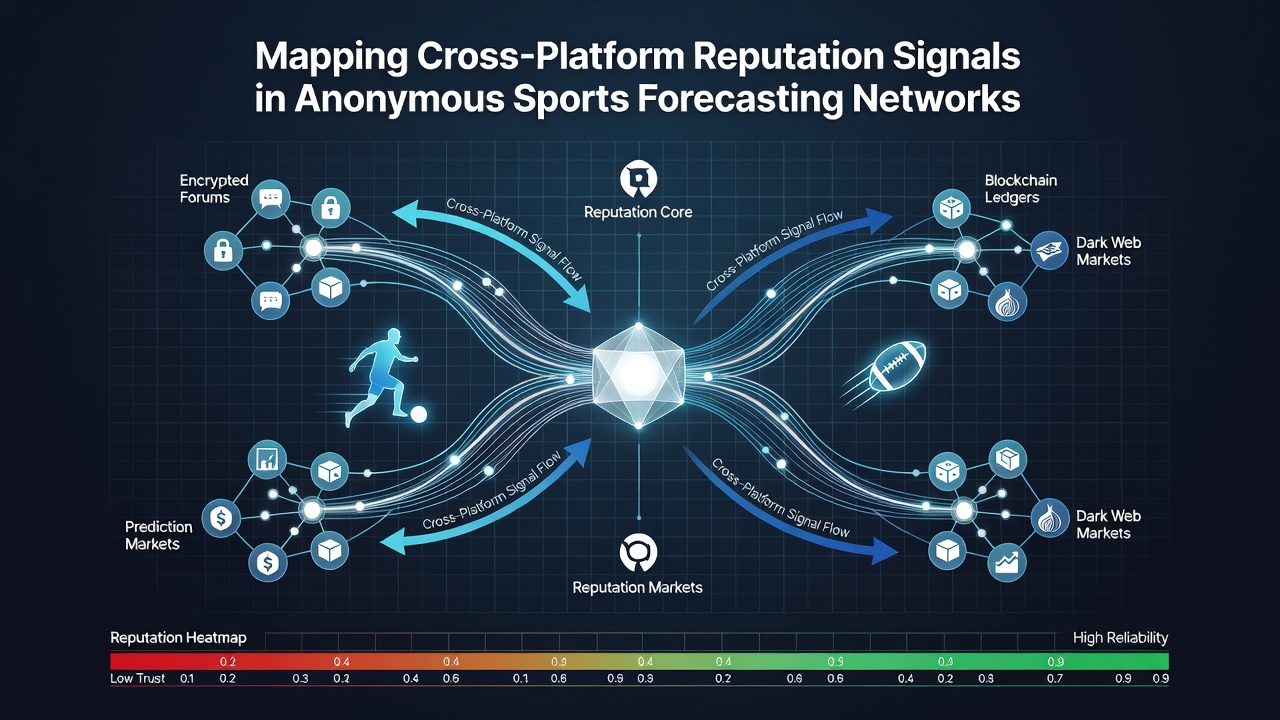
Anonymous sports forecasting networks operate through layered platforms where users exchange predictions without revealing identities, yet reputation signals still emerge from patterns in accuracy rates, engagement metrics, and cross-referenced data points. Researchers track these signals by analyzing upvotes, comment threads, historical forecast records, and interaction graphs that span multiple forums and apps. Data from mid-2026 shows increased activity in these networks during July, as seasonal sports calendars prompt more frequent tip exchanges and reputation recalibrations.
Core Components of Reputation Signals
Reputation in these environments builds from measurable elements such as prediction success percentages, volume of verified outcomes, and peer endorsements that accumulate over time. Observers note that algorithms often aggregate these elements into composite scores, while platform operators apply weighting factors based on recency and consistency. Those who've examined network structures find that signals like reply chains and shared forecast archives help distinguish reliable contributors from transient accounts, even when usernames change frequently.
Cross-platform mapping adds another layer because forecasters often migrate between sites, carrying fragments of their history through copied records or linked references. Experts have observed that matching timestamps, forecast phrasing, and outcome patterns allows analysts to connect identities across networks without breaching anonymity protocols. This process relies on public data trails rather than personal identifiers, creating maps that highlight sustained performance across different communities.
Techniques for Cross-Platform Analysis
Analysts employ graph theory and natural language processing to align signals from separate platforms into unified profiles. They compare forecast details against official sports results databases, then trace endorsement patterns that appear on multiple sites. A July 2026 report released by the Australian Communications and Media Authority highlighted how similar mapping methods reveal concentrated influence among a small number of high-accuracy accounts that operate across several anonymous boards simultaneously.
One study revealed that combining temporal data with linguistic fingerprints improves matching accuracy by connecting posts that share distinctive phrasing styles. People who've studied these systems know that visual reputation markers, such as badge systems or leaderboard positions, often serve as starting points for deeper mapping efforts. Yet challenges arise when platforms delete older threads or when users deliberately alter their posting habits to evade detection.
Practical Applications in Forecasting Communities
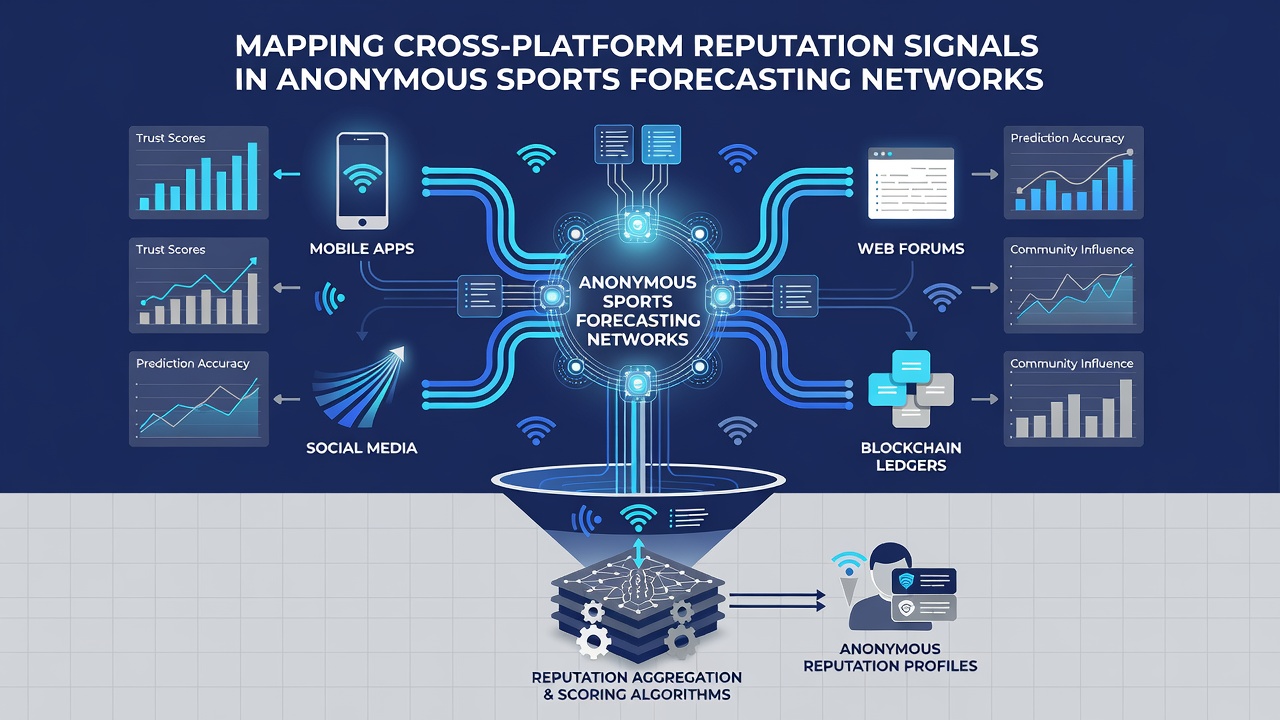
Network operators use mapped reputation data to surface trustworthy forecasts for community members, while researchers apply the same techniques to study information flow and influence distribution. Evidence suggests that platforms incorporating cross-referenced signals experience tighter clustering around proven forecasters, reducing the impact of low-quality contributions. According to findings from the European Gaming and Betting Association, such mapping also supports regulatory reviews by identifying patterns that may indicate coordinated activity across borders.
Take one case where analysts linked forecast records from a European forum to an Australian prediction app through repeated accuracy streaks and shared terminology. The resulting profile showed sustained performance that single-platform metrics had understated. Those tracking these developments note that July 2026 saw several networks release updated tools for signal visualization, allowing users to view aggregated reputation scores without compromising platform rules on anonymity.
Challenges and Limitations
Mapping efforts face obstacles from deliberate obfuscation tactics, data silos between platforms, and varying levels of record retention. Some networks limit export options or archive content after short periods, which fragments the available signals. Research indicates that incomplete datasets can produce false connections or miss important context, particularly when forecasters operate under multiple shifting handles.
Despite these issues, ongoing refinements in machine learning models continue to enhance matching precision. Data from academic sources, including papers published through university repositories, demonstrates incremental gains in handling noisy or partial information. Observers note that the ball remains in the court of platform developers to balance transparency with privacy protections as mapping techniques advance.
Conclusion
Cross-platform reputation mapping in anonymous sports forecasting networks continues to evolve through combined use of statistical analysis, linguistic comparison, and graph-based linking. Figures from 2026 illustrate growing reliance on these methods to surface reliable signals amid expanding network activity. As tools mature, they provide clearer views of performance patterns that span multiple environments while respecting the core anonymity that defines these spaces.