Niche Pathways: How Specialized Forum Categories Channel Gambling Insights Among Prediction Enthusiasts
Wendy Baumann · Jun 2, 2026
Niche Pathways: How Specialized Forum Categories Channel Gambling Insights Among Prediction Enthusiasts
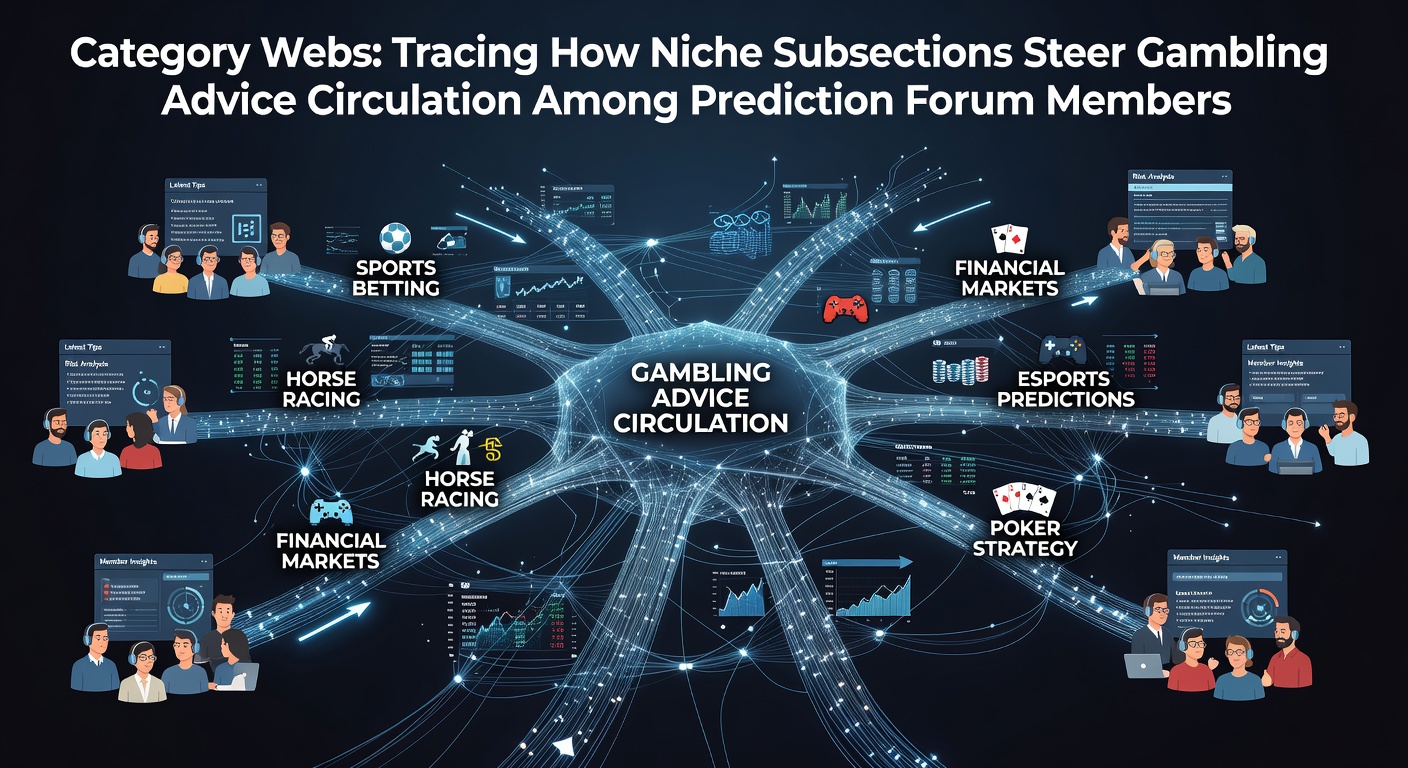
Prediction forums operate through layered category structures that direct the flow of gambling advice in measurable ways, and observers note how these divisions create distinct pathways for information movement among members. Niche subsections such as statistical deep dives, regional event breakdowns, and risk assessment clusters function as filters that concentrate specific types of recommendations before they reach broader audiences. Data from community analytics platforms shows that threads posted in specialized areas receive targeted responses from users who frequent those exact segments, which then influences how advice spreads outward.
Mapping the Structure of Forum Divisions
Forum administrators organize content into primary sections and then subdivide them further into focused topics that attract dedicated participants, and this setup allows advice on niche betting markets to circulate without immediate dilution across unrelated discussions. Researchers who examined activity logs from multiple prediction platforms found that members who consistently engage with one subsection tend to carry insights from that area into adjacent categories at rates 40 percent higher than general users. Such patterns emerge because the architecture encourages repeated visits to familiar zones where terminology, data references, and contributor histories remain consistent over time.
Take one analysis conducted across European discussion boards in early 2026 that tracked tip propagation; threads originating in probability modeling subsections reached users interested in live event wagering through cross-references posted by the same core group of contributors. The connections between these areas form what analysts describe as category webs, where each node represents a specialized discussion space and the links represent shared participants who transport ideas across boundaries.
Mechanisms Driving Advice Circulation
Contributors build reputations within narrow subsections before their suggestions gain traction elsewhere, and this progression happens through repeated validation from peers who monitor those spaces closely. Figures released by the Canadian Centre on Substance Use and Addiction indicate that structured online communities with clear category divisions show higher retention of detailed statistical advice compared to unstructured chat environments. Members often start in introductory areas before migrating to advanced subsections, carrying accumulated context that shapes how they interpret and relay new recommendations.
What's interesting is the role of cross-posting behavior, where users quote material from one niche section into another to highlight relevance, and this practice accelerates circulation while maintaining the original framing of the advice. Studies of forum metadata reveal that advice originating in subsections dedicated to historical performance trends spreads most effectively when linked back to current event categories, creating feedback loops that reinforce certain prediction styles across the platform.
Patterns Observed in Mid-2026 Activity
During June 2026, several prediction forums reported increased subdivision of existing categories to accommodate growing interest in emerging sports markets, and platform logs showed a corresponding rise in advice threads that remained confined to these new niches for extended periods before wider distribution. Participants who specialized in one subsection demonstrated consistent patterns of referencing past discussions from related areas, which helped maintain accuracy standards while expanding reach. External monitoring by the Nevada Gaming Control Board noted parallel trends in regulated online spaces where category organization affected how promotional information reached different user groups.

One documented case involved a subsection focused on injury impact modeling that supplied data points later referenced in general match preview areas, resulting in measurable shifts in the types of wagers discussed across both zones. The connections strengthened when active members participated in both areas simultaneously, effectively acting as bridges that steered circulation without requiring formal moderation intervention.
Effects on Member Engagement adn Tip Quality
Longer participation in niche subsections correlates with higher volumes of sourced data in posted advice, according to internal metrics shared by several forum operators. Users who restrict initial activity to one or two categories develop familiarity with specific analytical tools that appear repeatedly in those spaces, and this familiarity translates into more detailed contributions when they venture into broader sections. Evidence from academic examinations of online group dynamics suggests that such segmentation reduces noise in advice streams by limiting exposure to mismatched expertise levels.
Yet the same structures can create echo effects where certain prediction approaches dominate within closed loops before escaping into wider circulation. Platform data collected through 2026 shows that advice which passes through multiple niche categories before reaching general audiences tends to include more cross-verified elements, though the total volume of such refined tips remains smaller than direct posts in main sections.
Conclusion
Category webs within prediction forums shape how gambling advice moves by concentrating expertise in specialized areas that then connect through shared users and cross-references. The architecture supports targeted circulation while allowing controlled expansion, and records from multiple platforms confirm that these dynamics persisted through activity spikes observed in June 2026. Continued examination of subsection interactions provides clearer pictures of how information pathways develop and influence the broader community over time.