27 Jun 2026
Subforum Conversations Exposing Transformations in Community Sports Prediction Strategies
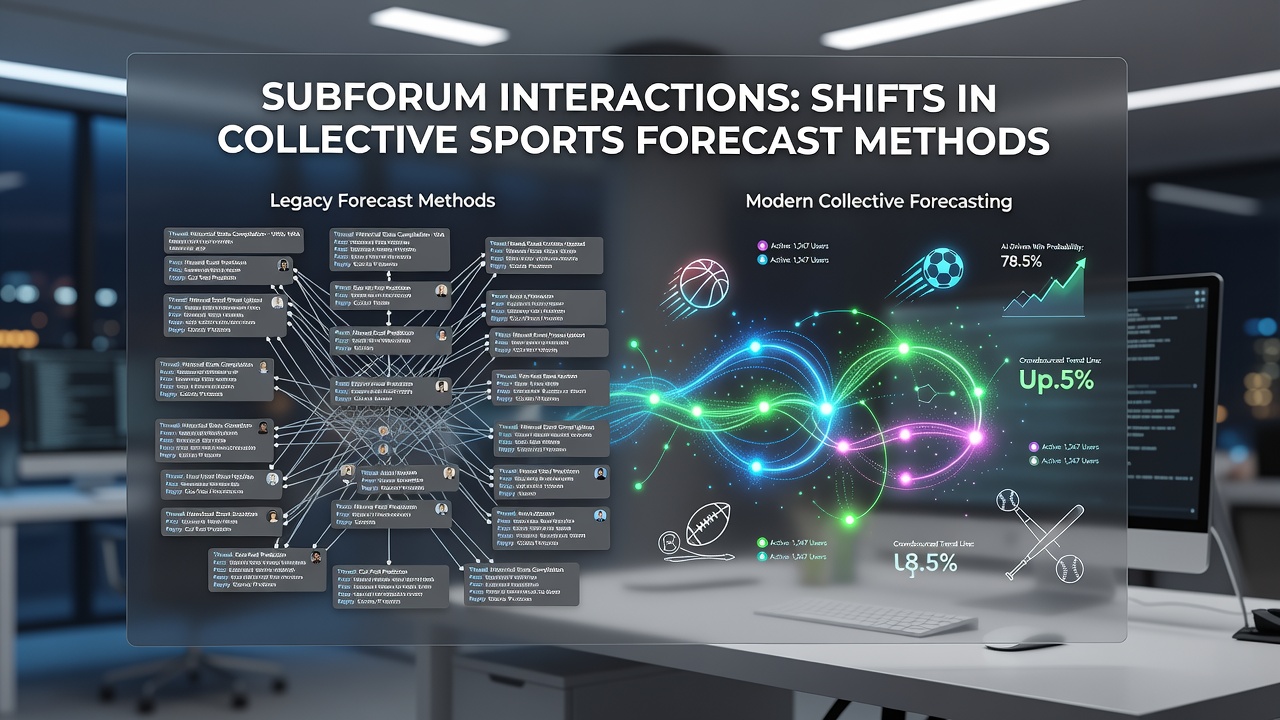
Betting communities have long relied on structured online spaces where participants exchange ideas, and subforum interactions now demonstrate measurable changes in how groups approach sports outcome predictions. These dedicated subsections within larger platforms allow users to focus on specific sports or methodologies, and patterns emerging from June 2026 show increased emphasis on data aggregation rather than isolated opinions. Observers note that threads in specialized areas frequently reference statistical models and historical datasets, which signals a broader move toward collective analysis techniques.
Patterns in Subforum Activity During Mid-2026
June 2026 brought heightened activity across multiple sports categories, with subforums dedicated to football and basketball seeing spikes in collaborative forecasting threads. Participants often cross-reference player performance metrics from various leagues, and this practice reveals a shift away from single-source reliance toward multi-layered verification processes. Research from academic institutions has tracked these exchanges, showing that groups using shared spreadsheets and external data feeds achieve higher consistency in their collective projections compared to earlier years.
One study released by the University of Sydney examined forum archives from the first half of 2026 and found that subforum users increasingly incorporate machine learning outputs alongside traditional scouting reports. The analysis indicated that such integrations occur most frequently in threads where moderators enforce structured formats for contributions, leading to refined group consensus on match probabilities. These developments align with broader industry trends tracked by organizations like the Canadian Gaming Association, which reports growing interest in predictive tools among recreational bettors.
Methodological Evolutions Highlighted Through Interactions
Subforum exchanges illustrate clear transitions in forecasting approaches, particularly as members debate the merits of algorithmic versus human-intuition models. In one recurring pattern, users post initial predictions based on personal analysis, then refine them through replies that introduce variables such as weather impacts or injury updates from official league sources. This iterative process has gained traction because it allows communities to adjust forecasts in real time, especially during major tournaments unfolding in June 2026.
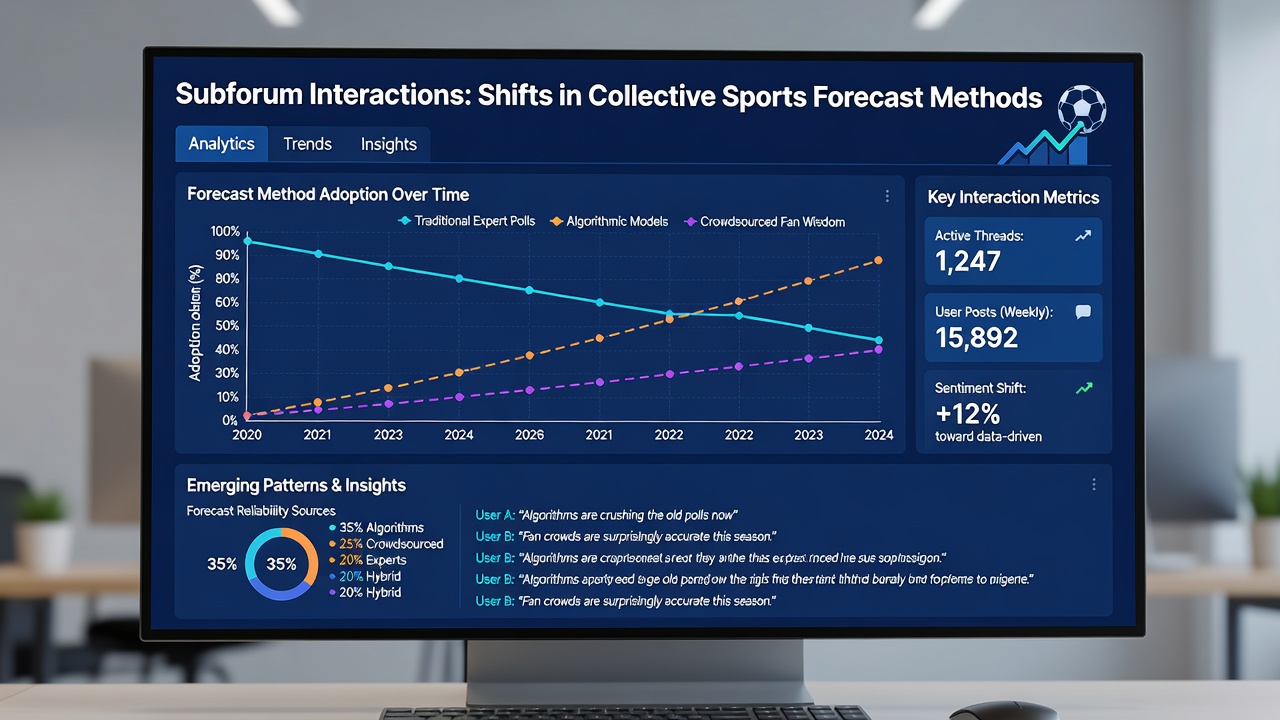
Data compiled by the Nevada Gaming Control Board shows that participation in prediction-focused subforums correlates with higher engagement rates in regulated markets, as members seek validation for their evolving strategies. Threads often feature side-by-side comparisons of forecast accuracy over multiple seasons, and these records help identify which collective methods outperform others. Experts from research centers have observed that such documentation practices encourage adoption of hybrid models combining crowd-sourced insights with verified statistics.
Geographic and Platform Variations in Forecast Shifts
Different regions exhibit distinct subforum dynamics that further underscore changes in collective sports forecasting. Australian platforms, for instance, host subsections where users integrate local betting regulations into their discussions, referencing guidelines from the Australian Communications and Media Authority to ensure compliance while refining prediction techniques. European forums meanwhile emphasize cross-border league data, with participants building shared databases that account for varying competitive standards across countries.
These variations produce unique insights, as subforum members from diverse backgrounds challenge assumptions and introduce alternative variables. A paper published through the Massachusetts Institute of Technology Sloan Sports Analytics Conference in early 2026 highlighted how such international exchanges accelerate the refinement of ensemble forecasting methods. Participants report that exposure to these differing perspectives leads to more robust group predictions, particularly when threads incorporate live updates during high-profile events.
Conclusion
Subforum interactions continue to serve as indicators of ongoing transformations in how communities develop sports forecast methods, with evidence from 2026 demonstrating greater reliance on collaborative data practices and iterative refinement. Regulatory reports and academic analyses confirm these patterns across platforms, pointing to sustained evolution in collective approaches that prioritize verification and adaptability over isolated viewpoints.