Tracing Thread Lifecycles to Uncover Timeless Patterns in Collective Sports Forecasts
Viktor Zimmermann · Jun 25, 2026
Tracing Thread Lifecycles to Uncover Timeless Patterns in Collective Sports Forecasts
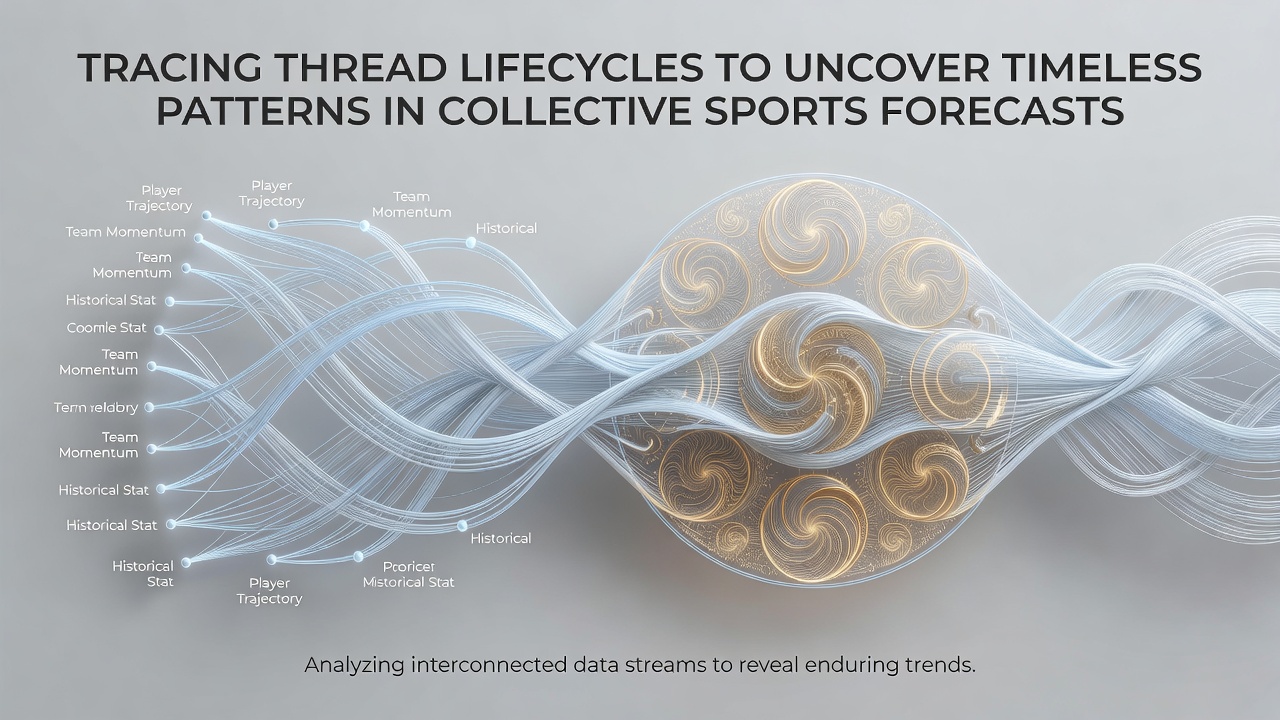
Forum threads dedicated to sports forecasts follow distinct lifecycles that researchers track to identify recurring patterns in collective predictions, and analysts examine these sequences because early speculation often evolves into refined consensus as new data emerges. Observers note that threads typically begin with a single prompt about an upcoming match or tournament, then expand through contributions from multiple participants who add statistics, historical comparisons, and opposing viewpoints while the discussion remains active for days or weeks depending on the event timeline.
Initial Formation and Early Activity Stages
Threads originate when a user posts an opening question or prediction about a specific sports outcome, and activity spikes immediately afterward as others respond with supporting evidence or counterarguments. Data from platform archives shows that the first 24 to 48 hours determine whether a thread gains traction, since replies containing verifiable performance metrics tend to attract further engagement while vague comments receive less attention. In June 2026 several major European football leagues reached their final matchdays, and analysts observed that threads focused on title deciders accumulated hundreds of posts within the opening week as participants updated injury reports and weather conditions in real time.
Mid Lifecycle Development and Consensus Building
As threads mature, contributors refine initial forecasts through iterative exchanges that incorporate live results and expert commentary, and this phase often produces the clearest signals about group sentiment. Researchers have documented how certain threads shift from broad speculation to narrow probability estimates once key variables such as player availability become confirmed, and the process reveals consistent patterns where threads containing frequent data updates outperform those relying solely on opinion. External studies on collective intelligence, including work published by the MIT Center for Collective Intelligence, indicate that structured online discussions can aggregate dispersed knowledge effectively when participants cite primary sources.
Moderation practices influence how these mid-stage threads develop because rules requiring evidence for claims reduce noise and encourage deeper analysis. Platforms that enforce such standards report longer average lifecycles for high-value threads, with discussions remaining open and productive until the underlying event concludes.
Decline Phase and Post Event Analysis
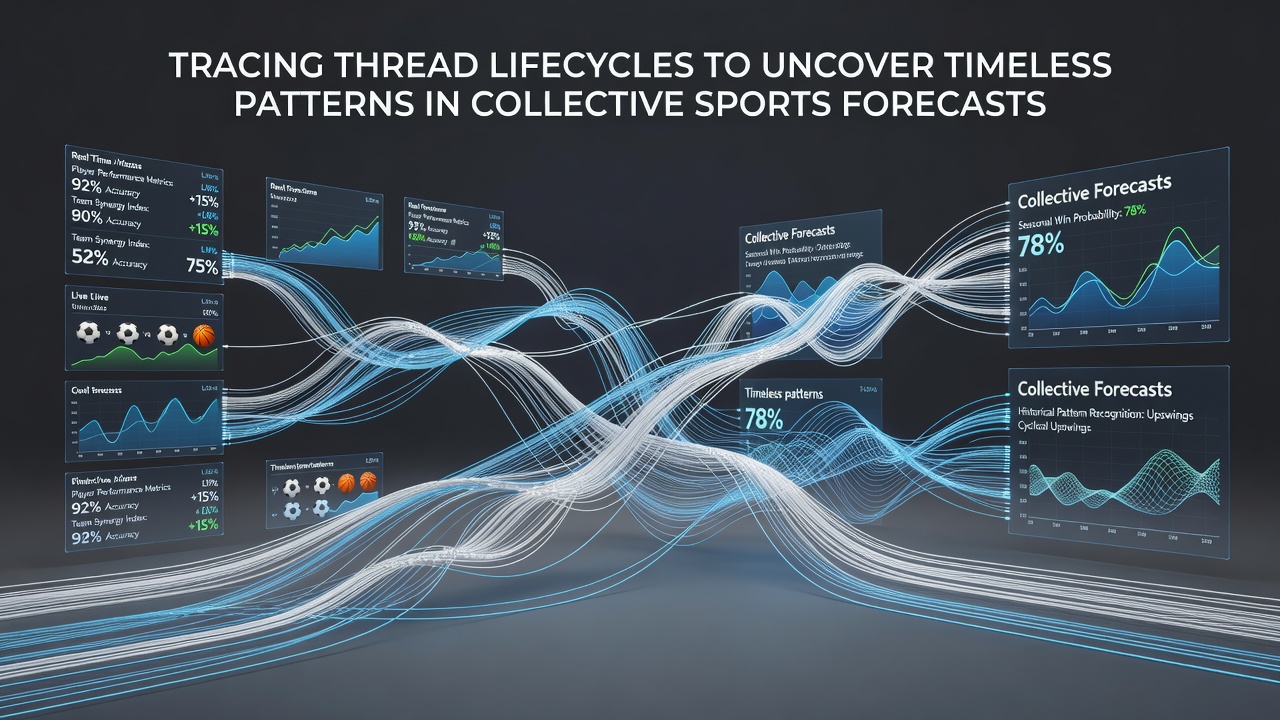
Once the forecasted event ends, thread activity drops sharply yet the archived content continues to serve analytical purposes as participants return to evaluate accuracy and extract lessons. Observers have recorded that threads reaching closure with detailed outcome summaries generate reusable datasets for future reference, and these records frequently surface again when similar fixtures approach. Patterns emerge across multiple seasons where threads that emphasized statistical modeling during their active phase align more closely with actual results than those dominated by emotional arguments.
Tracking these decline phases also highlights platform specific behaviors, since some communities lock threads immediately after events while others allow extended reflection periods. Data indicates that extended post event discussion correlates with improved predictive performance in subsequent cycles because participants internalize past errors through direct comparison.
Cross Platform Comparisons and Broader Applications
Analysts extend thread lifecycle research beyond single sites by comparing patterns across different forums and social platforms, and this approach uncovers how cultural and technical factors shape collective forecasting. A report from the Australian Institute of Sport analytics division examined rugby prediction threads and found that discussions incorporating video evidence maintained higher engagement throughout their lifecycles than text only exchanges. Similar findings appear in North American studies of basketball communities where threads referencing advanced metrics demonstrated greater longevity and retrospective accuracy.
These comparative insights support development of monitoring tools that flag emerging threads likely to produce reliable signals, and organizations involved in sports data services apply such methods to enhance their own forecasting models. The consistent observation remains that thread lifecycles contain measurable stages whose characteristics repeat across different sports and regions.
Conclusion
Tracing thread lifecycles provides a structured method for examining how collective sports forecasts form and evolve, and the resulting patterns offer practical value for anyone studying group prediction dynamics. Continued examination of these sequences across platforms and seasons supplies ongoing data that refines understanding of which discussion characteristics produce the most durable insights.