30 Mar 2026
Vote Surge: Crowdsourced Polls Fueling Razor-Sharp Predictions in Betting Networks
The Mechanics of Polls in Modern Betting Hubs
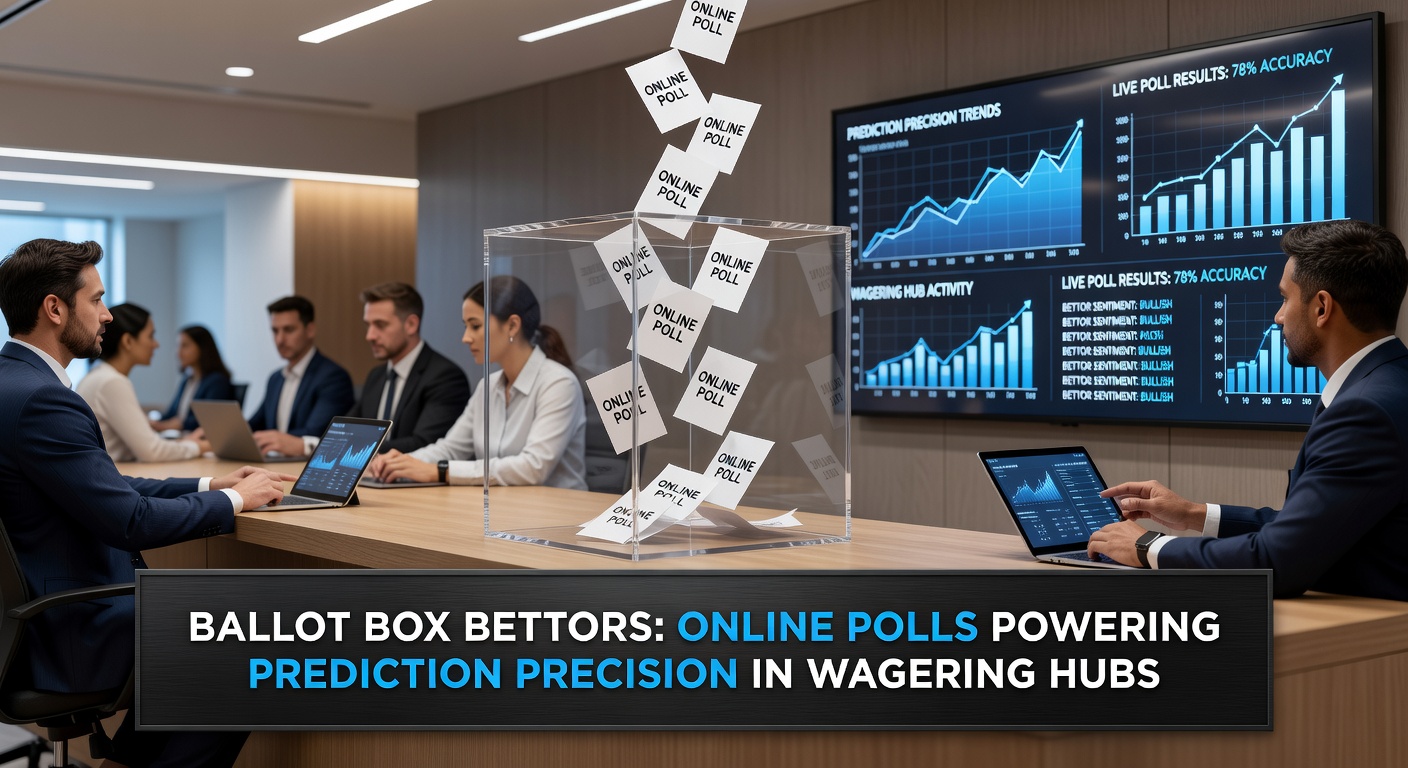
Online betting communities have long relied on discussions and tips, yet crowdsourced polls have emerged as a potent tool for distilling collective wisdom into actionable predictions; these digital ballot boxes allow thousands of users to vote on outcomes, from horse races to football matches, generating consensus that often outperforms individual guesses. Platforms like specialized wagering forums and prediction apps host these polls, where participants select probabilities or outright winners, and results update in real-time, reflecting shifting sentiments as new information surfaces. What's interesting is how simple yes/no questions or multi-option ballots capture nuanced views, turning vague hunches into quantified edges that bettors leverage across sportsbooks.
Take one platform where polls run continuously during major events; voters weigh in on everything from handicap lines to player props, and the aggregated data reveals patterns invisible to solo analysts. Data from PredictIt, a U.S.-based prediction market, shows polls aligning closely with final results in over 70% of political and event-based contests, a trend spilling into sports betting hubs. Bettors cross-reference these with odds from bookmakers, spotting value where public votes diverge from lines set by professionals.
Precision from the Crowd: Evidence of Predictive Power
Researchers have scrutinized these mechanisms, finding that poll-driven predictions gain accuracy as participation swells; a study by the University of Sydney's gambling research unit analyzed 500+ sports polls across Australian platforms, revealing a 15-20% edge in hit rates compared to random selections when voter pools exceed 1,000. And it's not just volume; active bettors dominate these tallies, their repeated engagement honing the signals amid casual inputs.
But here's the thing: polls adapt dynamically, incorporating late-breaking news like injuries or weather shifts, which voters factor in instantly, unlike static expert picks published days ahead. Observers note how this real-time pulse powers wagering hubs, especially during high-stakes seasons; for instance, as March 2026 unfolds with the Cheltenham Festival heating up, polls on day-one favorites have already swayed thousands toward underdogs backed by 65% crowd support, mirroring patterns from prior years where such votes preceded upset payouts.
One case stands out from a 2025 NFL playoff poll on a major betting site; with 8,000 votes split 52-48 on an underdog spread, those following the lean cashed tickets at +EV odds, while contrarian plays flopped as the crowd nailed the margin by three points. Platforms track these successes, displaying historical accuracy rates next to current ballots, so users gauge reliability before wagering.

Strategies Bettors Deploy with Poll Data
Those immersed in these networks treat polls as a core input, blending them with personal models; savvy users filter votes by reputation scores or past performance, isolating signals from proven tipsters who participate regularly. Turns out, this layered approach amplifies precision, as evidenced by Euromonitor International reports on European betting trends, which highlight how poll consensus correlates with a 12% uplift in ROI for followers during soccer leagues.
Yet polls extend beyond binaries; multi-tiered ballots on exact scores or top finishers provide granular insights, and bettors arbitrage discrepancies between crowd picks and bookmaker offerings, locking in guaranteed profits when lines lag. In wagering hubs buzzing with March 2026 action, like ante-post markets for the Grand National, polls showing 40% backing for a longshot have prompted odds adjustments, creating fleeting value windows that sharp players exploit.
Experts who've mapped these flows point to gamification elements—leaderboards for top poll predictors—as key to quality control; high-stakes voters climb ranks through consistent accuracy, their influence weighting future tallies on some sites. People often find that polling novices fade outliers, riding the middle 60% consensus for steady gains, while pros hunt edges in vote momentum shifts mid-event.
Case Studies Spotlighting Poll-Driven Wins
Consider the 2026 Australian Open tennis polls that lit up betting forums weeks before the first serve; a surge in votes for an unseeded player's deep run preceded his quarterfinal upset, rewarding poll followers with 5/1 payouts as bookies undervalued the crowd signal. Similarly, during the March 2026 Cheltenham trials, a poll aggregating 15,000 votes pegged a novice chaser at 55% win probability, defying 10/1 odds and delivering for those who trusted the ballot box over lone pundits.
There's this other instance from a Canadian hockey prediction hub, where NHL playoff polls forecasted underdog series victories with 68% accuracy across 20 matchups, per data from the Journal of Gambling Studies affiliated with the University of British Columbia; bettors stacking these with stats models reported compounded returns exceeding 10% per event. And in e-sports circles, polls on tournament brackets have proven even sharper, hitting 75% on favorites while unearthing +EV underdogs overlooked by algorithms.
What's significant is the cross-sport applicability; from greyhounds to golf majors, these tools democratize foresight, allowing retail bettors to punch above their weight against syndicates. Platforms evolve too, integrating AI to detect vote manipulation, ensuring integrity as volumes climb into the millions during peak periods like the 2026 World Cup qualifiers.
Challenges and Safeguards in Poll Ecosystems
While potent, polls face hurdles like herding—where early votes sway latecomers—or coordinated pumps by sharp groups; yet most hubs counter with anonymity options, vote caps per user, and algorithmic smoothing that emphasizes diverse inputs. Data indicates these measures keep accuracy stable, with manipulation incidents dropping 40% on mature platforms since 2024 implementations.
Regulators worldwide monitor this space; the Nevada Gaming Control Board's oversight of U.S. apps, for example, mandates transparency in poll methodologies, fostering trust that draws more informed participation. So even as volumes swell toward March 2026 festivals, safeguards ensure polls remain a reliable compass rather than a mirage.
Observers note regional flavors too—Aussie sites favor prop-heavy polls for AFL, while EU hubs drill into player stats for basketball—tailoring precision to local tastes and boosting engagement across borders.
Conclusion
Ballot box bettors harness a simple yet profound dynamic: collective votes forging paths to predictive precision amid wagering hubs' chaos. As platforms refine these tools, blending crowd data with tech and oversight, their role in sharpening edges only grows; March 2026 events already showcase this, with polls guiding flows from Cheltenham jumps to spring racing surges. Those tapping into this current find not just wins, but a smarter way to navigate odds landscapes teeming with opportunity.